What Does 'High Protein' on a Food Label Actually Mean?
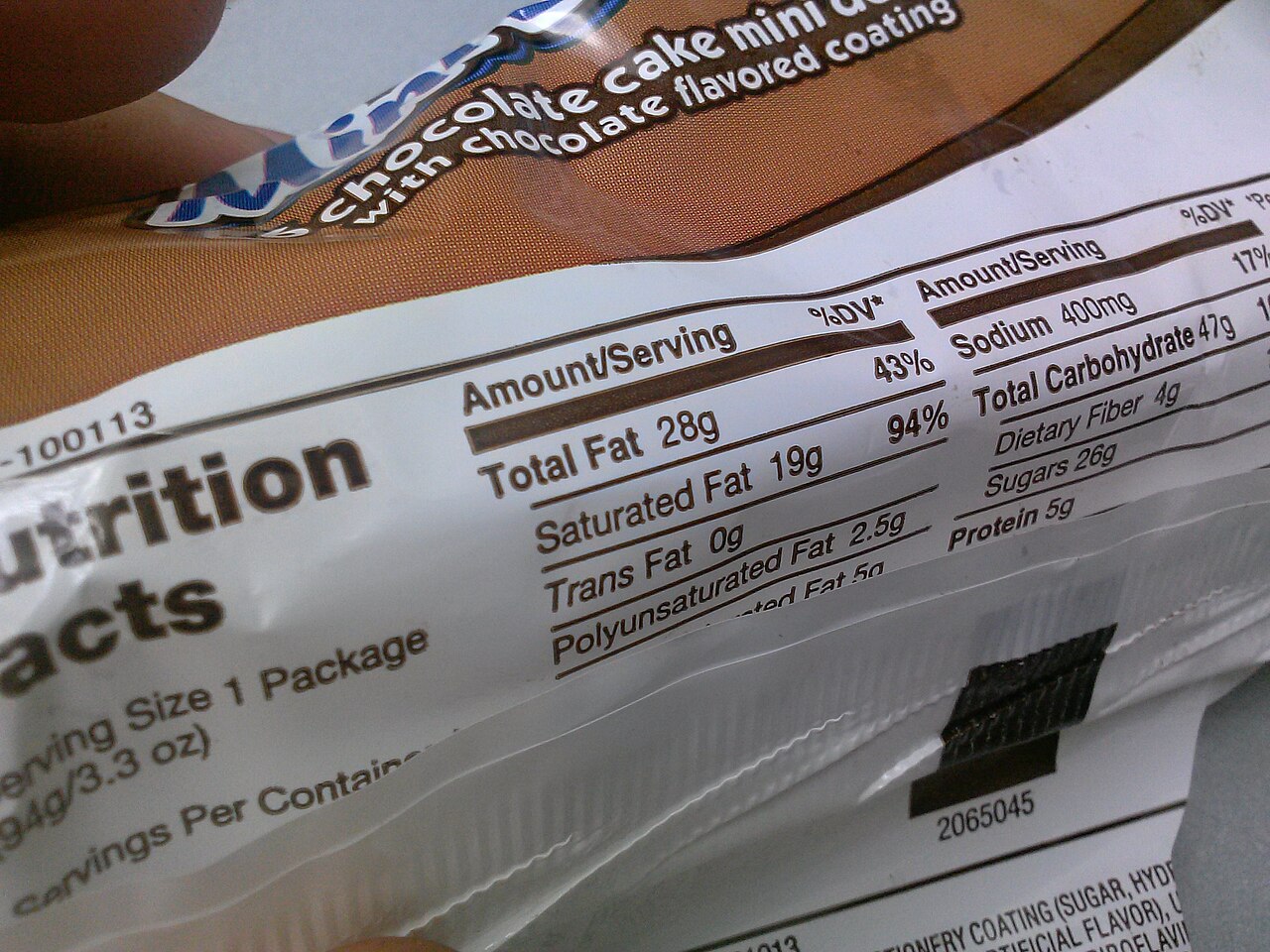
Protein claims can be useful, but serving size, Daily Value and the rest of the Nutrition Facts panel determine what the claim means in context.
Bextera articles
Research-led reporting, practical explainers and evidence comparisons covering nutrition, supplements, food, fitness and consumer health.
Protein claims can be useful, but serving size, Daily Value and the rest of the Nutrition Facts panel determine what the claim means in context.
Sunlight, foods and supplements can all contribute to vitamin D status, but they are not interchangeable sources.
Protein grams are only one line on the label. Calories, serving size, fiber, added sugar, saturated fat, sodium and price change the comparison.
Caffeine can improve some exercise outcomes, but dose, timing, tolerance and side effects matter more than chasing the largest milligram number.
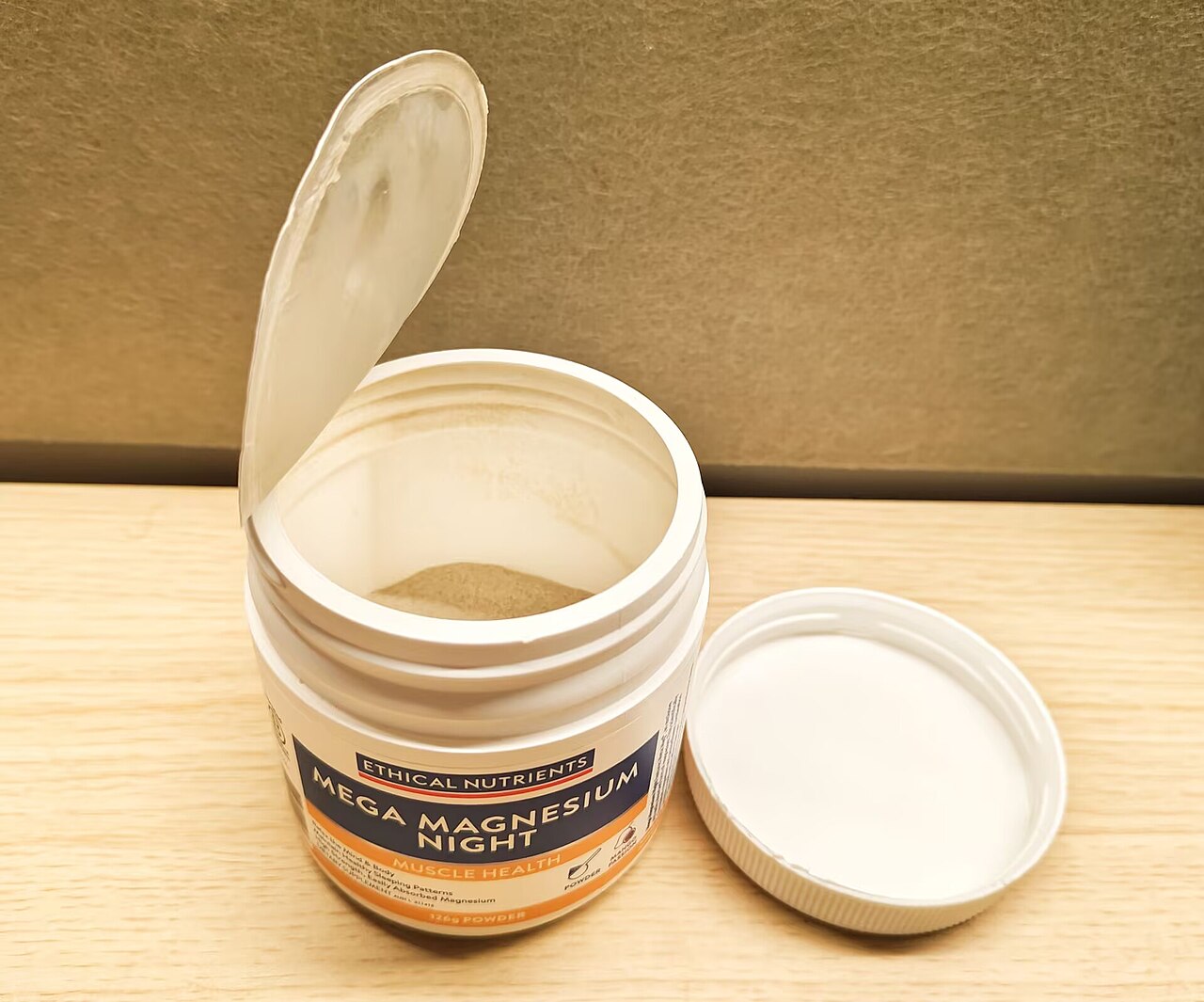
Magnesium from spinach, legumes, nuts and whole grains is not evaluated the same way as elemental magnesium on a supplement label.
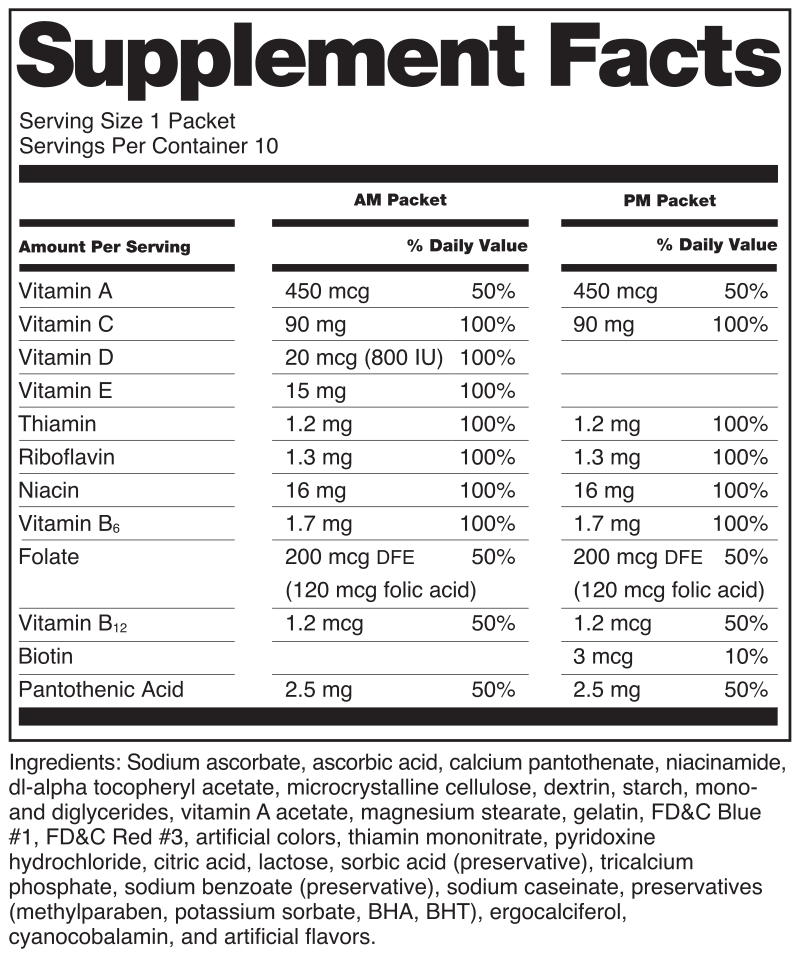
Serving size, active ingredient amounts, Daily Value and proprietary blends tell you more about a supplement than most front-label marketing.
Protein needs depend on body size, training, diet and goals. Here is how to interpret the numbers without treating one intake target as universal.
Fish-oil weight, total omega-3 content, EPA and DHA are separate label numbers. Here is how to compare them correctly.
Water is enough for many workouts. Longer, hotter or sweat-heavy sessions can change the equation. Here is what electrolyte drinks actually add.
The post-workout protein window matters, but total daily protein, training quality and protein distribution remain part of the bigger picture.
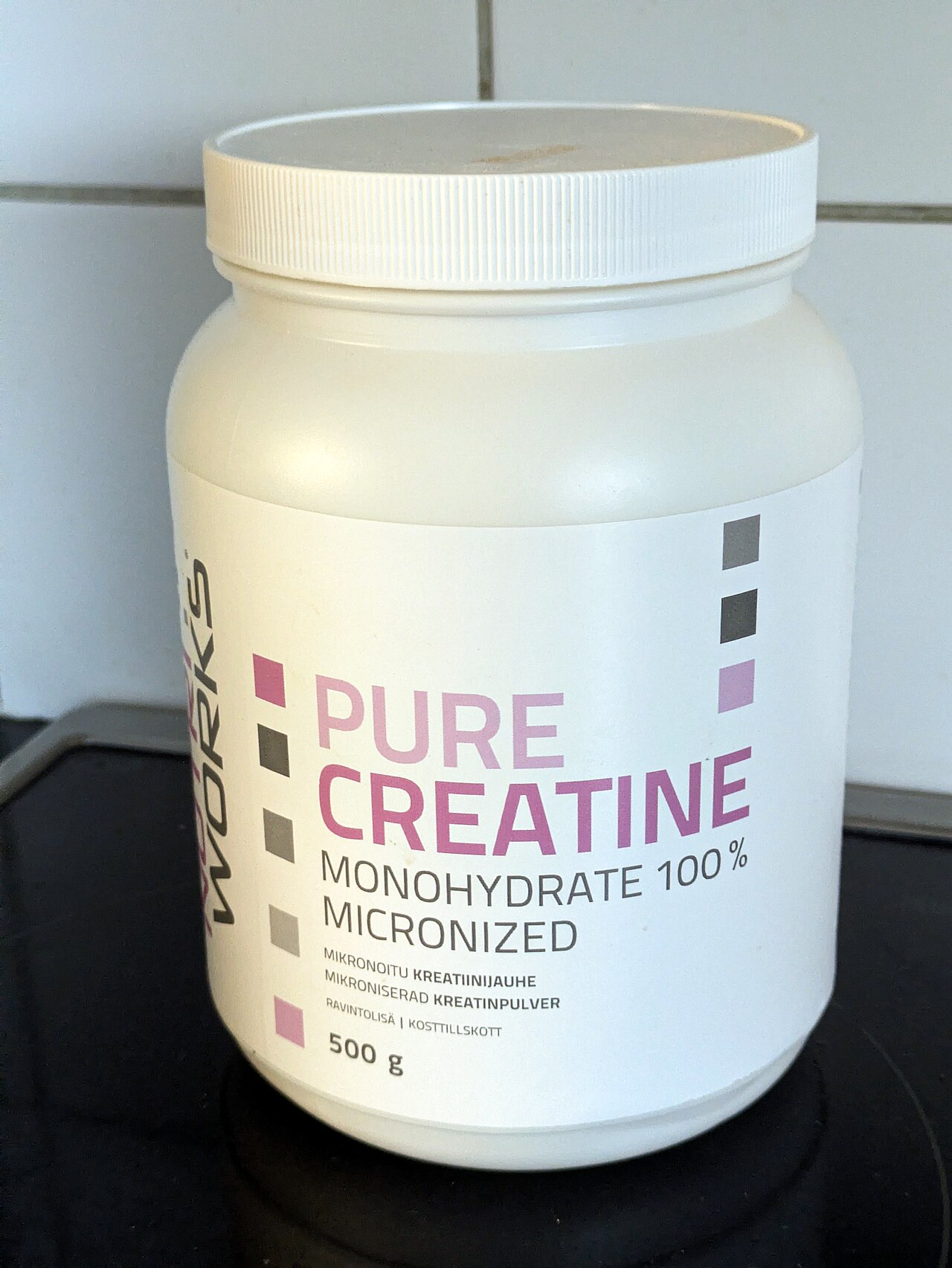
Creatine can move the scale, but early water retention, lean-body-mass changes and body fat are different measurements.
An evidence-led comparison of magnesium glycinate and magnesium citrate covering elemental magnesium, absorption evidence, clinical research, tolerability claims and the limits of direct comparisons.
A direct evidence comparison of creatine hydrochloride and creatine monohydrate, covering solubility, human research, training outcomes and the limits of current evidence.