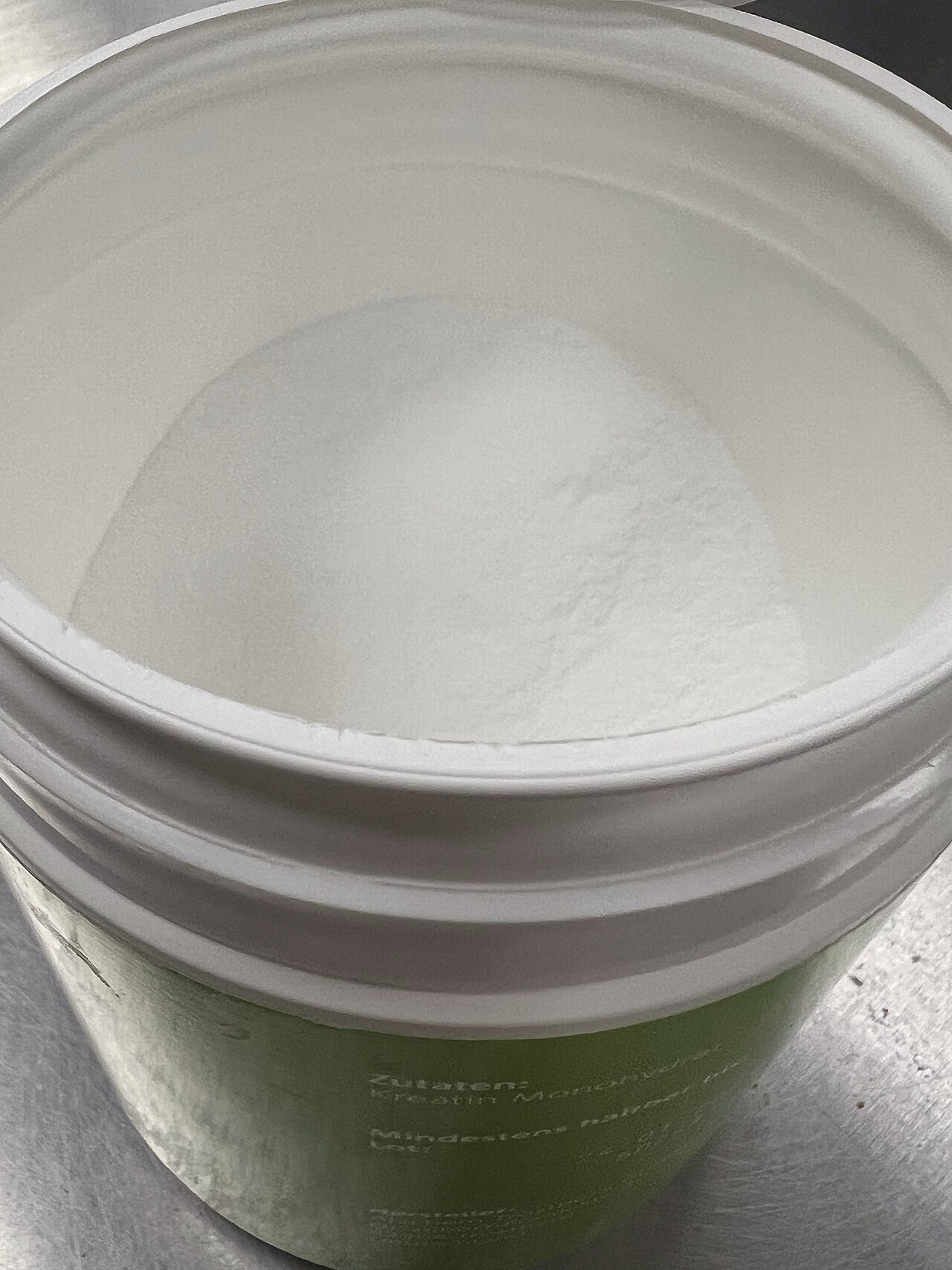
Creatine Loading vs No Loading: Do You Actually Need a Loading Phase?
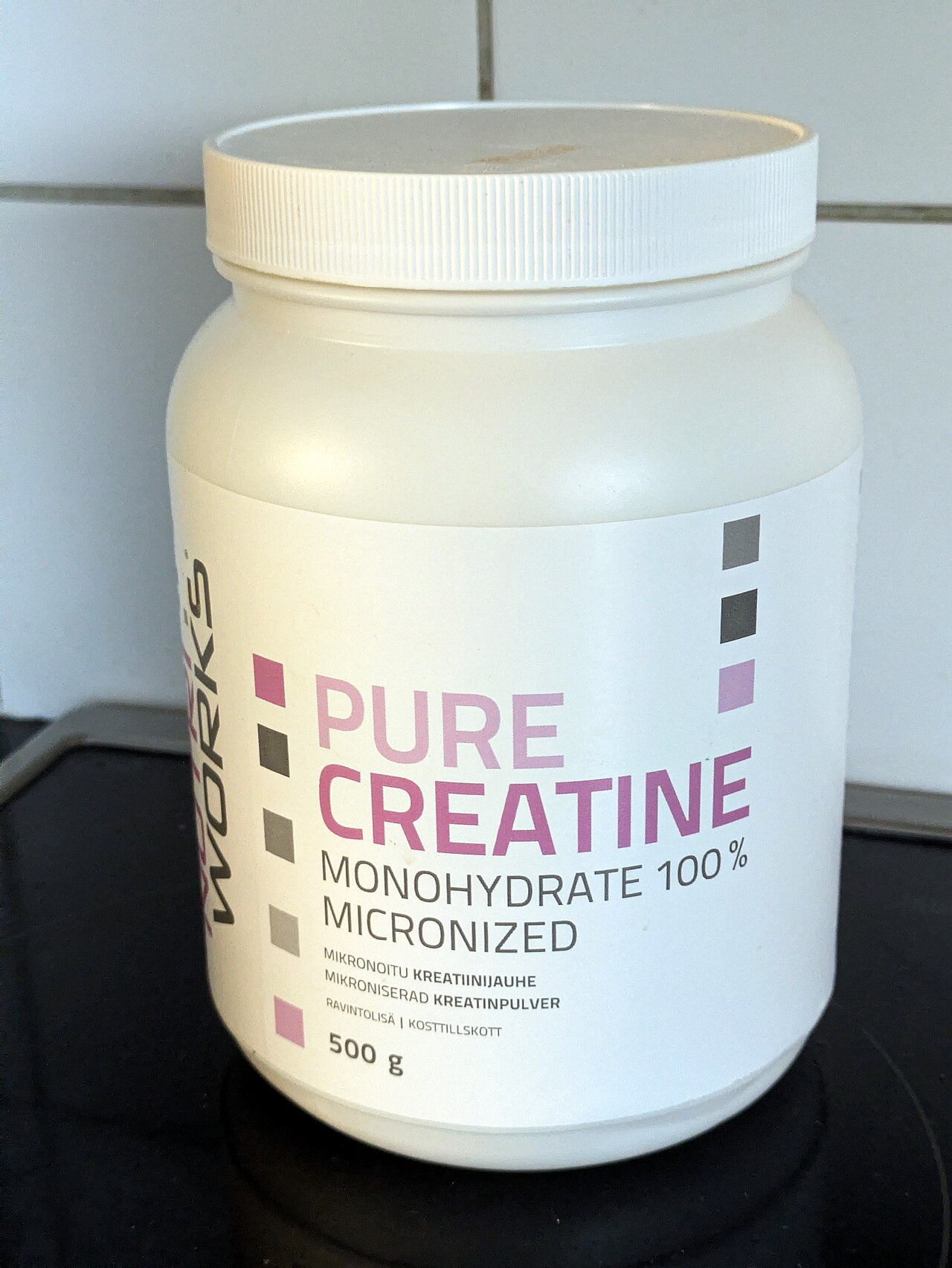
Creatine loading raises muscle creatine faster, but lower daily intake can reach a similar endpoint more gradually. Here's what the research actually shows.
Bextera Nutrition
Creatine loading raises muscle creatine faster, but lower daily intake can reach a similar endpoint more gradually. Here's what the research actually shows.
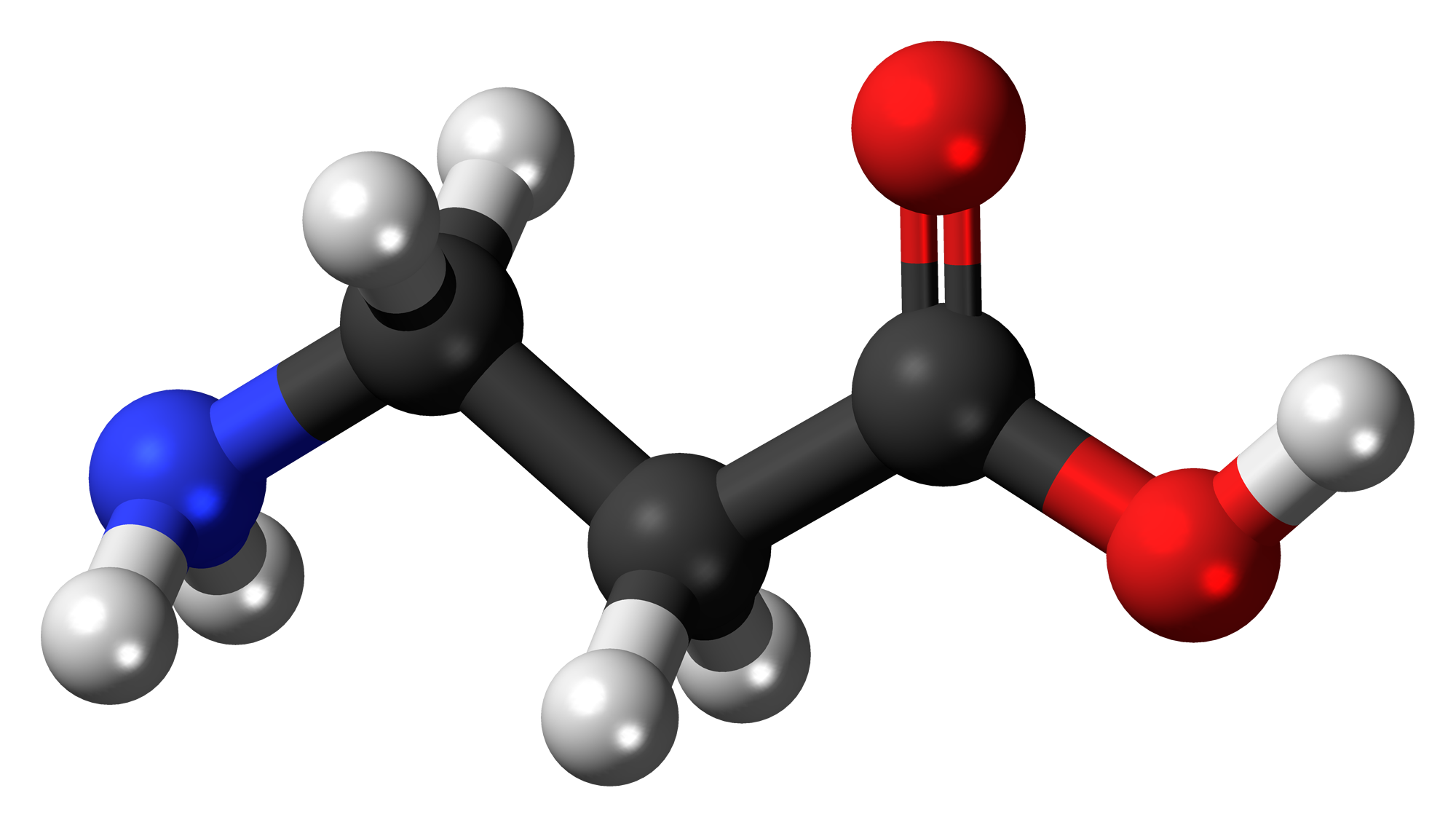
Beta-alanine tingling is called paresthesia. It is a dose-related sensory side effect, not proof that a pre-workout is working better.
Whey isolate usually contains a higher proportion of protein and less lactose and fat than concentrate, but that does not automatically make it better for building muscle.
Caffeine peaks quickly but can remain in the body for hours. Here's what half-life means, why it varies and what the sleep evidence actually shows.
Beta-alanine is usually sold as a pre-workout ingredient, but its main effect depends on building muscle carnosine over time. Here's what the evidence says about timing.
A 2026 meta-analysis examined EPA:DHA ratios across 96 clinical trials. The ratio can change blood fatty-acid and inflammatory-marker responses, but there is no universal best ratio.
A 2024 Cochrane review found that zinc may shorten an existing cold, but the effect is uncertain and zinc does not clearly prevent colds.
A 2026 network meta-analysis ranked whey highest for lean-body-mass gains during resistance training, but the evidence is less definitive than the ranking suggests.
A new 2026 systematic review found that magnesium may help some sleep outcomes, but the evidence for insomnia remains inconsistent and low-certainty.
A new 2026 trial has reopened the creatine timing debate. Here is what research actually says about taking creatine before versus after a workout.
Vitamin D2 and D3 both raise vitamin D status, but research shows important differences in how strongly and how long they affect blood levels.
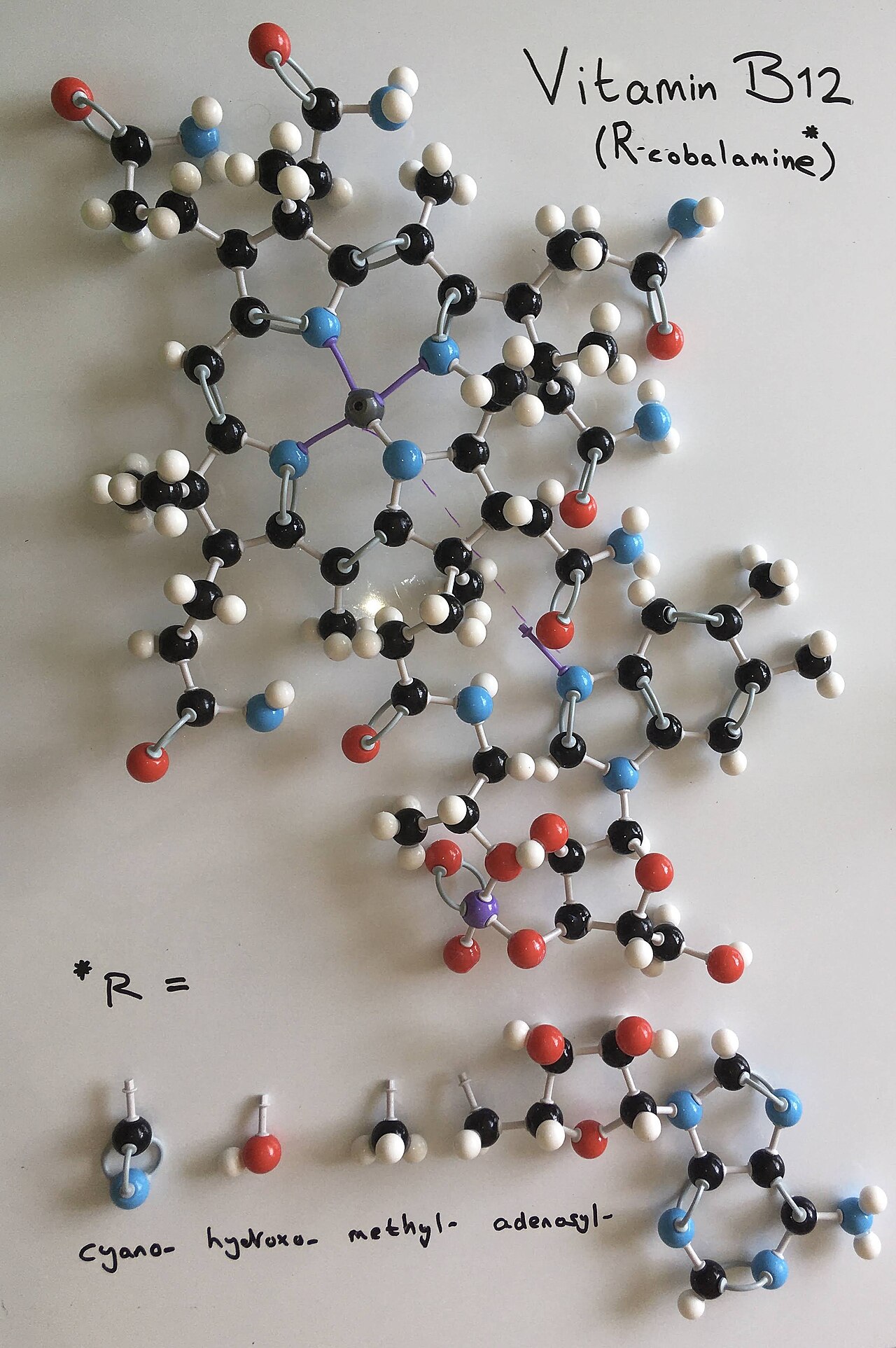
Methylcobalamin sounds more premium than cyanocobalamin, but does the form of vitamin B12 actually change absorption or effectiveness?
A source-linked guide to elemental zinc, supplement forms, label amounts, Daily Value, absorption evidence and safety context.
A source-linked guide to cyanocobalamin, methylcobalamin and other B12 forms, label amounts, absorption and Daily Value.
Caffeine can improve some exercise outcomes, but dose, timing, tolerance and side effects matter more than chasing the largest milligram number.
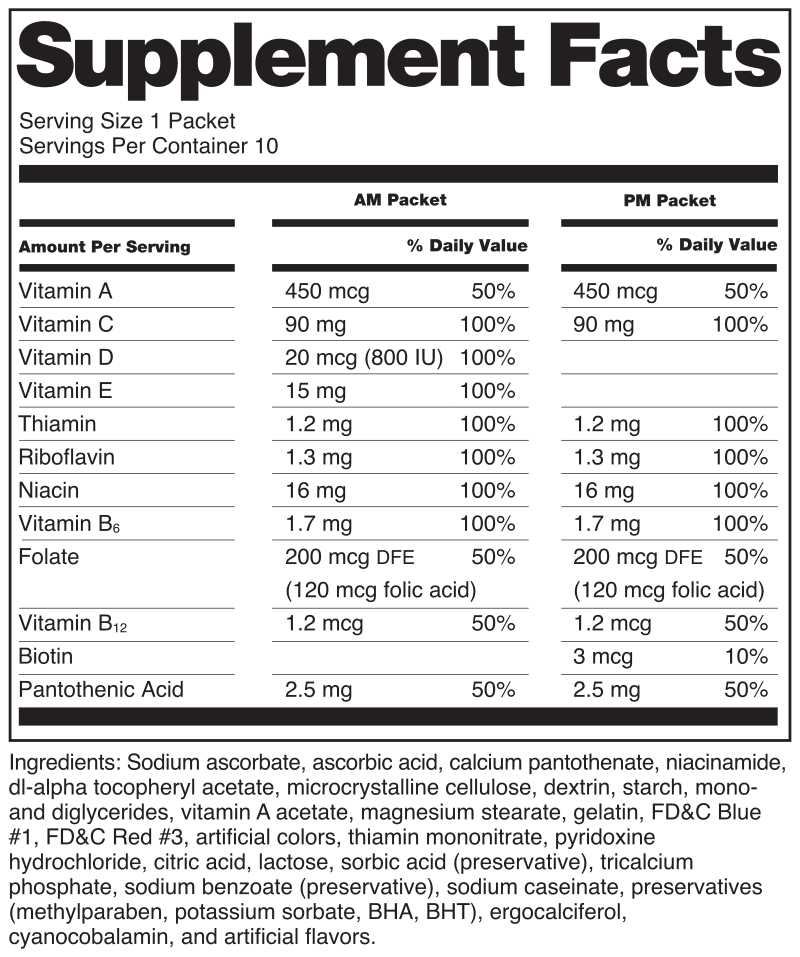
Serving size, active ingredient amounts, Daily Value and proprietary blends tell you more about a supplement than most front-label marketing.
Fish-oil weight, total omega-3 content, EPA and DHA are separate label numbers. Here is how to compare them correctly.
Creatine can move the scale, but early water retention, lean-body-mass changes and body fat are different measurements.
Magnesium glycinate (bisglycinate) vs citrate: compare absorption evidence, elemental magnesium, sleep research, tolerability claims and what human studies actually show.
A direct evidence comparison of creatine hydrochloride and creatine monohydrate, covering solubility, human research, training outcomes and the limits of current evidence.