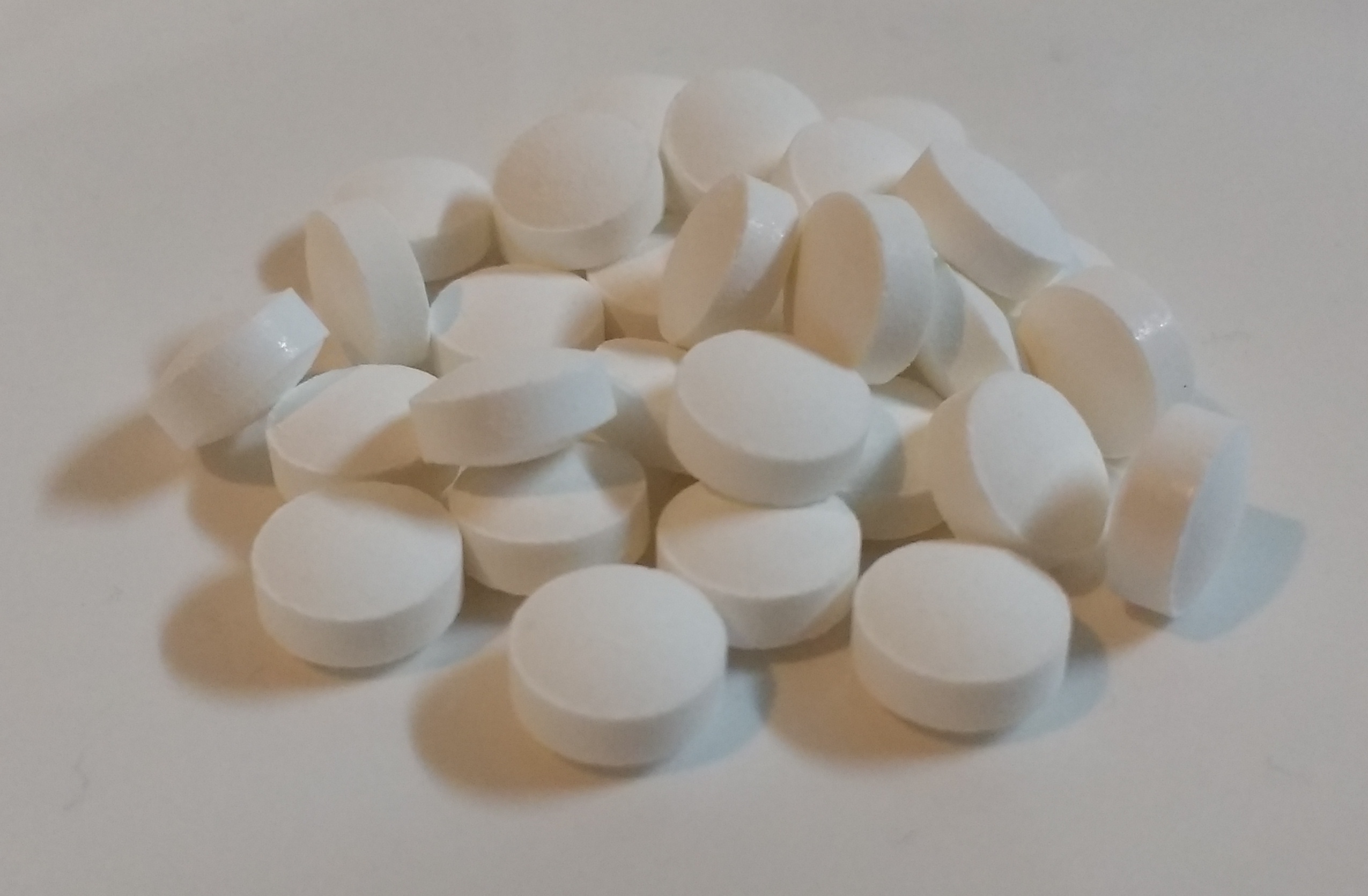
A scratchy throat starts. Your nose feels different. Someone tells you to take zinc before the cold “really kicks in.”
That advice has been repeated for decades.
It also contains just enough truth to be confusing.
Zinc is essential for normal immune function, and randomized trials have tested zinc lozenges, tablets, syrups and other preparations for the common cold. Some trials found shorter illnesses. Others found little or no benefit.
A large Cochrane review helps put those conflicting results into perspective.
Its conclusion was not that zinc “cures” a cold.
It was narrower: zinc may shorten an existing cold, but the evidence is uncertain, and it does not appear to reliably prevent people from catching one in the first place.
Short answer
Zinc and the common cold: the evidence at a glance
| Question | What the evidence currently supports |
|---|---|
| Can zinc prevent a cold? | Probably not reliably. Prevention trials showed little or no reduction in cold risk. |
| Can zinc shorten an existing cold? | Possibly. The Cochrane review estimated about 2.37 fewer days of symptoms. |
| How certain is that estimate? | Low certainty. Results varied substantially between trials. |
| Does zinc clearly make symptoms milder? | No clear benefit has been established. |
| Were lozenges commonly studied? | Yes. Lozenges were the most common delivery format in the review. |
| Are side effects more common? | Yes. Non-serious adverse effects were more frequent with zinc treatment. |
| Is there a proven best form or dose? | No. Trials differed in zinc form, amount, route and treatment schedule. |
What did the Cochrane review actually find?
The 2024 Cochrane review included 34 randomized studies involving 8,526 participants.
Fifteen studies investigated zinc for prevention. Nineteen examined zinc as treatment after respiratory symptoms had developed.
The trials included both adults and children and tested several zinc preparations, including lozenges, tablets, syrups, dissolved powders and intranasal products.
That diversity matters.
“Zinc” was not one standardized treatment across all 34 trials.
Different studies used different zinc salts, doses, schedules and definitions of when a cold had ended.
Seventeen of the 34 studies used lozenges, making them the most commonly studied format. Zinc gluconate was the most frequently used lozenge form, although acetate and other preparations were also tested.
This variation is one reason the overall answer remains uncertain.
Zinc did not clearly prevent people from catching colds
The prevention evidence was not especially encouraging.
Across nine prevention studies involving 1,449 participants, zinc produced a risk ratio of 0.93 compared with placebo.
The confidence interval crossed the point of no effect.
In practical terms, the reviewers concluded that zinc may make little or no difference to whether someone develops a cold.
The certainty of that evidence was rated low.
That distinction matters because “zinc supports immune function” can easily become “zinc prevents colds” in supplement marketing.
Those are not equivalent statements.
Zinc is an essential nutrient required for normal immune function.
That does not automatically mean that adding supplemental zinc above an adequate intake prevents a viral respiratory infection.
Bextera’s zinc ingredient dossier explains the broader nutrition and supplement context.
Treatment after symptoms begin is more interesting
The treatment evidence produced a different result.
Eight studies involving 972 participants provided usable data on cold duration.
When the researchers pooled those trials, people receiving zinc had colds that were approximately 2.37 days shorter on average than people receiving placebo.
The 95% confidence interval ranged from about half a day to just over four days shorter.
That sounds substantial.
But there is an important statistical warning attached to the result.
The heterogeneity was 97%.
That means results differed dramatically between studies.
Some preparations and study designs produced stronger effects than others. Some did not.
The certainty of evidence for the duration result was therefore rated low.
So:
“Zinc shortens colds by 2.4 days”
is too strong.
A more accurate interpretation is:
Across highly variable trials, zinc treatment was associated with an average reduction of roughly two days, but researchers have low confidence that this represents a dependable effect.
Shorter does not necessarily mean milder
Another distinction often gets lost.
Evidence suggesting that zinc may shorten a cold does not clearly show that the cold will feel substantially less severe while it is happening.
Two treatment studies involving 261 participants did not establish a convincing improvement in global symptom severity.
The certainty around that result was very low.
That gives consumers two different questions:
Does zinc reduce how many days the cold lasts?
and:
Does zinc make each day of the cold feel noticeably better?
Current evidence provides more support for the first question than the second.
That difference matters when interpreting claims such as “reduces cold symptoms.”
Does taking zinc early matter?
Possibly.
Many studies with positive findings started zinc relatively soon after symptoms began.
NIH notes that oral zinc lozenges or syrups may reduce the duration of cold symptoms when taken shortly after symptoms begin.
That makes early treatment a plausible part of the effect.
But the evidence does not establish one universally proven cutoff such as:
“Take zinc within exactly 12 hours or it will not work.”
The trials used different start times and different protocols.
Timing may be important.
It is not yet standardized enough to turn into a precise universal rule.
Are zinc acetate and zinc gluconate equally effective?
Current evidence does not give a definitive answer.
Both zinc acetate and zinc gluconate have been tested extensively.
Some earlier analyses suggested that particular high-dose acetate lozenges produced substantial reductions in cold duration.
But the larger Cochrane review found enough variation in zinc type, route, amount and schedule that the best formulation could not be established confidently.
That is why comparing products solely by the phrase “zinc acetate” or “zinc gluconate” is incomplete.
The amount of elemental zinc, serving size, dosing frequency and other ingredients all affect what is actually being used.
If the label is difficult to interpret, Bextera’s guide to reading a Supplement Facts panel explains how to separate the compound name from the amount of zinc actually supplied.
Cold-study doses need careful context
This is one of the easiest parts of the literature to misunderstand.
Some cold-treatment trials used zinc amounts far above ordinary dietary requirements.
In the Cochrane review, zinc gluconate lozenge studies used amounts ranging from approximately 45 to 276 mg of zinc per day, generally over relatively short periods.
That does not mean 276 mg per day is an appropriate self-treatment recommendation.
For adults, the U.S. Food and Nutrition Board sets a Tolerable Upper Intake Level of 40 mg of zinc per day from food and supplements.
NIH also notes that doses of 50 mg or more taken for weeks can interfere with copper absorption and produce other adverse effects.
The upper intake level and the amounts deliberately tested in short-term clinical trials answer different questions.
Clinical researchers sometimes test amounts above normal long-term intake limits under controlled protocols.
A research dose should not automatically become a consumer dosing instruction.
Zinc caused more side effects than placebo
Potential benefit came with a tradeoff.
Across 16 treatment studies involving 2,084 participants, non-serious adverse events were more common with zinc than placebo.
The pooled relative risk was 1.34.
Unlike several of the effectiveness outcomes, the certainty of this finding was rated moderate.
Common problems included:
- unpleasant or altered taste;
- stomach upset;
- nausea;
- other gastrointestinal symptoms.
This matters because the common cold is usually self-limiting.
A treatment intended to shorten a relatively minor illness has to be evaluated not only by whether it works, but also by how unpleasant the treatment itself can be.
More zinc is not automatically better
One recurring problem in supplement marketing is turning dose into a quality score.
If some zinc might help, more must work better.
The evidence does not establish that.
Higher-dose trials have sometimes produced positive results, but study results remain inconsistent and formulations differ substantially.
Longer-term excessive zinc intake also has known risks.
High intake can interfere with copper status, and zinc supplements can interact with medications including some tetracycline and quinolone antibiotics as well as penicillamine.
The useful product question is therefore not:
Which zinc product has the biggest milligram number?
It is:
What form was studied, how much elemental zinc does the product contain, how was it used in the research, and what are the tradeoffs?
A cold remedy and a daily zinc supplement are different things
Another useful distinction is between short-term cold treatment and everyday nutritional supplementation.
A person taking zinc because their usual diet does not provide enough is addressing nutrient intake.
A person dissolving zinc lozenges after the start of cold symptoms is trying to reproduce a short-term treatment strategy evaluated in respiratory trials.
Those are different use cases.
Evidence that zinc may shorten an existing cold does not mean everyone should take high-dose zinc every day.
In fact, the Cochrane prevention data provide little reason to expect routine zinc supplementation to reliably prevent colds in otherwise healthy people.
That is why Bextera separates:
nutrient adequacy
from:
therapeutic claims made about a supplement.
What should readers take away?
Zinc is one of the more interesting over-the-counter cold remedies because there is a genuine clinical evidence base behind it.
But that evidence does not support the simplest marketing claims.
The 2024 Cochrane review found that zinc may shorten an existing cold by roughly two days, yet confidence in that estimate was low because results varied greatly between studies.
Zinc did not clearly prevent colds.
It did not clearly reduce overall symptom severity.
And treatment was associated with more non-serious side effects.
So the most defensible conclusion is not that zinc lozenges simply “work” or “do not work.”
It is this:
Zinc taken after cold symptoms begin may modestly shorten the illness for some people, but researchers still do not have a high-certainty answer about the best formulation, dose or treatment strategy.
That uncertainty is part of the evidence, not something that needs to be edited out.
Sources
-
Nault D, et al. Zinc for prevention and treatment of the common cold. Cochrane Database of Systematic Reviews. 2024;5:CD014914. DOI: 10.1002/14651858.CD014914.pub2.
-
Hemilä H. Zinc lozenges may shorten the duration of colds: a systematic review. Open Respiratory Medicine Journal. 2011.
Related zinc evidence
See the zinc ingredient dossier for intake, supplement forms, safety limits and broader evidence context.