Why Does Beta-Alanine Make You Tingle? What Paresthesia Actually Means
Beta-alanine tingling is called paresthesia. It is a dose-related sensory side effect, not proof that a pre-workout is working better.
Contributor
PharmD
Licensed pharmacist and medical writer covering supplements, medications and consumer health.
Medical Writer & Clinical Reviewer
Patricia is a licensed pharmacist, medical writer and reviewer with more than 15 years of pharmacy experience. Her work covers medications, dietary supplements, supplement safety and consumer health information.
Beta-alanine tingling is called paresthesia. It is a dose-related sensory side effect, not proof that a pre-workout is working better.
Caffeine peaks quickly but can remain in the body for hours. Here's what half-life means, why it varies and what the sleep evidence actually shows.
A 2024 Cochrane review found that zinc may shorten an existing cold, but the effect is uncertain and zinc does not clearly prevent colds.
An evidence-led caffeine dossier covering milligrams per serving, exercise doses, timing, half-life, performance evidence, sleep trade-offs and safety.
An evidence-led beta-alanine dossier covering muscle carnosine, studied doses, supplementation duration, exercise performance, paresthesia and product comparison.
A new 2026 systematic review found that magnesium may help some sleep outcomes, but the evidence for insomnia remains inconsistent and low-certainty.
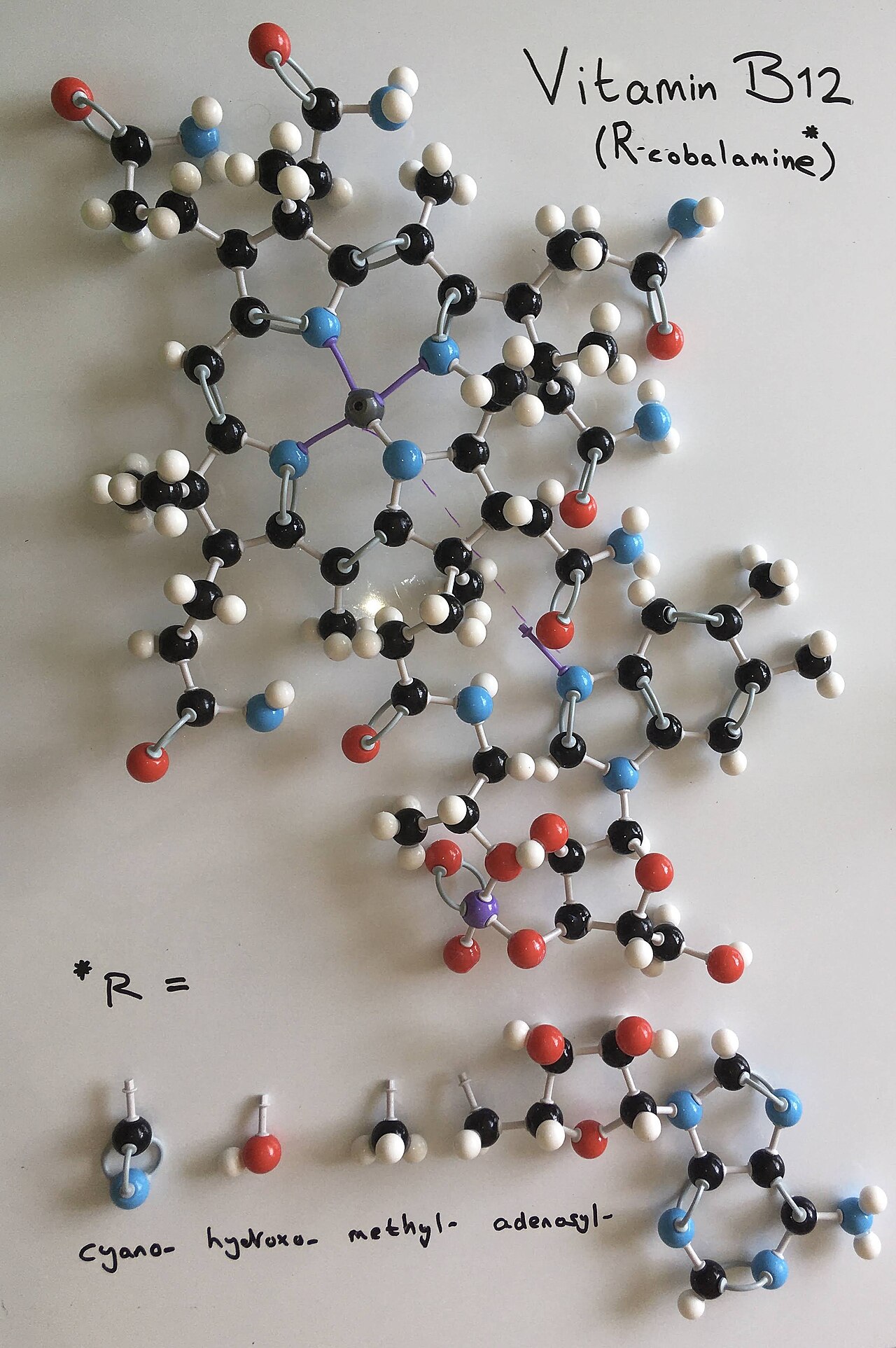
Methylcobalamin sounds more premium than cyanocobalamin, but does the form of vitamin B12 actually change absorption or effectiveness?
A source-linked guide to elemental zinc, supplement forms, label amounts, Daily Value, absorption evidence and safety context.
A source-linked guide to cyanocobalamin, methylcobalamin and other B12 forms, label amounts, absorption and Daily Value.
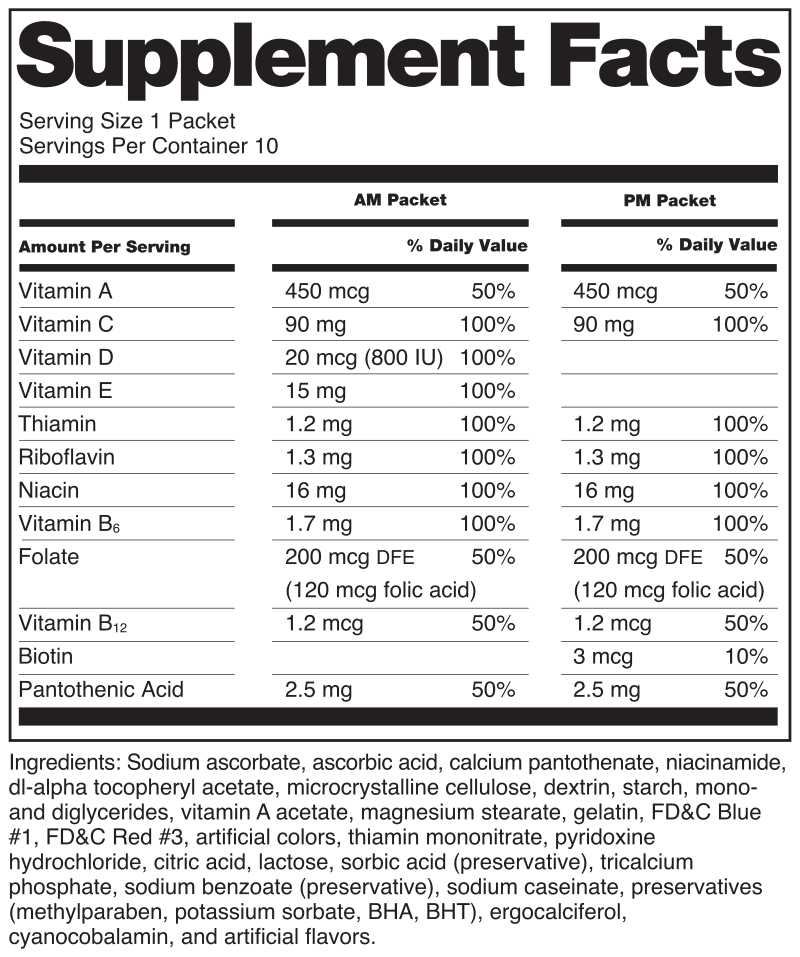
Serving size, active ingredient amounts, Daily Value and proprietary blends tell you more about a supplement than most front-label marketing.
Fish-oil weight, total omega-3 content, EPA and DHA are separate label numbers. Here is how to compare them correctly.
A specification-led omega-3 dossier covering EPA, DHA, ALA, total oil, triglyceride evidence, safety context and the fields that matter when comparing products.
A specification-led magnesium dossier covering elemental magnesium, supplement forms, absorption differences, clinical evidence and the label fields that matter when comparing products.
Magnesium glycinate (bisglycinate) vs citrate: compare absorption evidence, elemental magnesium, sleep research, tolerability claims and what human studies actually show.