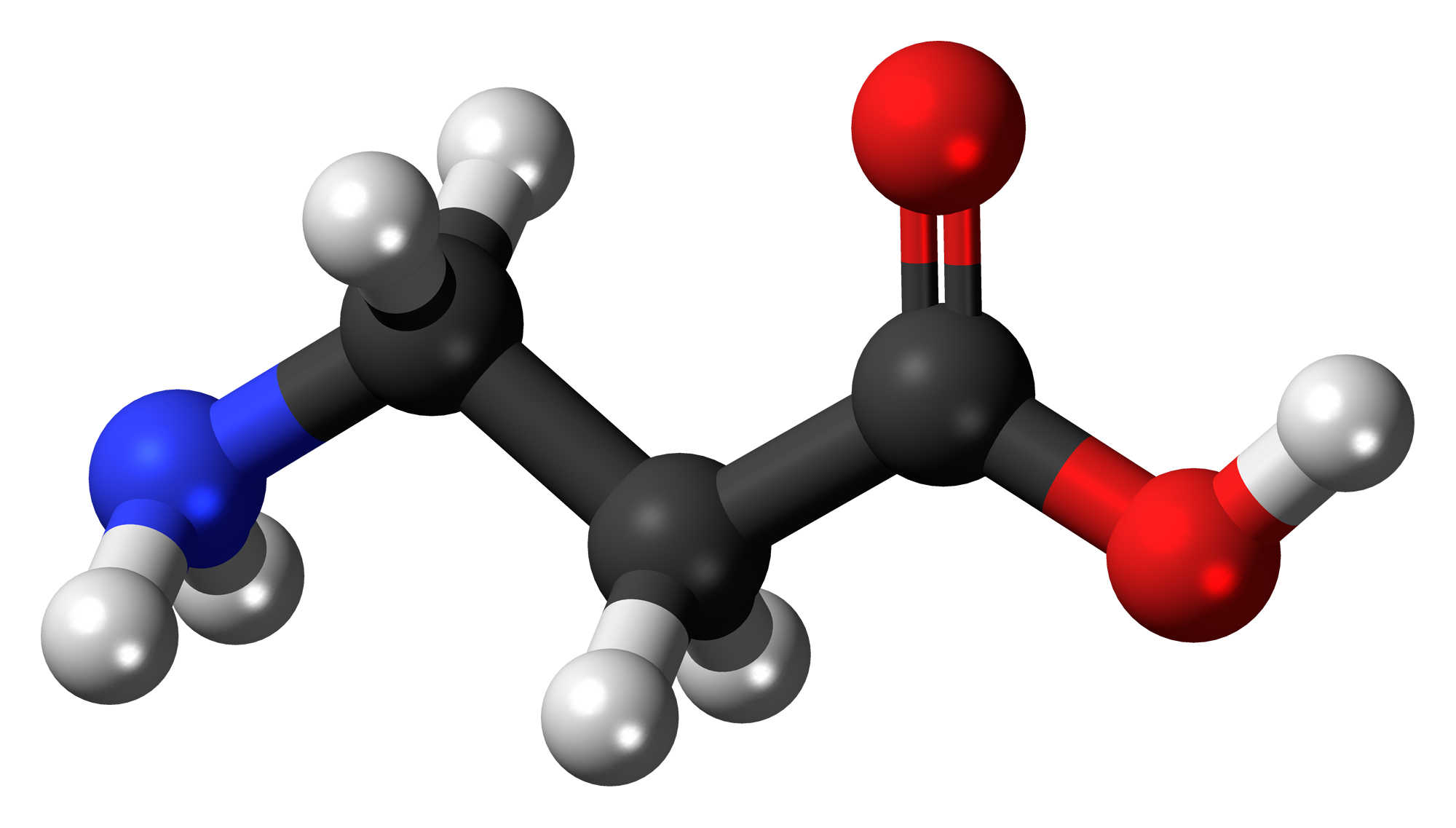
For some people, the first obvious sign that a pre-workout contains beta-alanine is not better performance.
It is their skin.
The face may tingle. The hands may feel prickly. The neck or upper body can develop a pins-and-needles sensation.
The name for that effect is paresthesia.
It is well known, usually temporary in the research setting, and often misunderstood.
Most importantly, feeling more tingling does not mean beta-alanine is producing a larger training benefit.
Short answer
What does beta-alanine tingling feel like?
Descriptions vary.
People may report:
- tingling;
- prickling;
- itching;
- pins and needles;
- warmth;
- a mild burning sensation.
It is often noticed around areas such as the face, neck, hands and upper body.
The intensity can differ substantially between people.
Two users can take the same product and report completely different sensations.
That variability is another reason paresthesia should not be used as a performance measurement.
Why does the sensation happen?
Beta-alanine can produce paresthesia when blood concentrations rise quickly after a conventional single dose.
NIH notes that the effect can occur at single doses around 800 mg or more, or above approximately 10 mg/kg body weight.
That does not mean every person experiences tingling at exactly the same threshold.
It describes a research context.
What matters practically is that larger acute exposures are more likely to produce the sensation.
Does tingling mean beta-alanine is working?
Not in the way the question is usually asked.
The major sports-nutrition rationale for beta-alanine is increasing muscle carnosine after repeated supplementation.
Carnosine accumulation occurs over time.
Paresthesia happens acutely.
Those are different phenomena.
Someone can feel intense tingling after a single serving without having suddenly accumulated a meaningful amount of new muscle carnosine.
Likewise, a formulation that produces little tingling may still supply beta-alanine relevant to chronic supplementation.
The sensation is therefore not an efficacy meter.
Why do people associate the tingle with a good pre-workout?
Because it is noticeable.
Many supplement effects are difficult to feel directly.
A consumer cannot feel a protein powder increasing amino-acid availability or a creatine serving gradually contributing to muscle creatine stores.
Paresthesia is different.
It provides immediate sensory feedback.
That can create a powerful expectation:
I feel something, therefore the product is powerful.
From an evidence perspective, that logic is weak.
A side effect being obvious does not make it the intended performance mechanism.
More tingling does not mean more carnosine
This distinction is central.
The beta-alanine ingredient dossier explains that beta-alanine is used as a precursor for muscle carnosine.
Repeated intake over weeks is much more relevant to that process than the intensity of an acute skin sensation.
Therefore:
more tingle ≠ more carnosine
and:
more tingle ≠ larger proven performance effect.
That is particularly important when comparing high-stimulant or multi-ingredient pre-workout products designed to produce a strong subjective experience.
Can you reduce the tingling?
Yes, research suggests it can often be reduced.
The ISSN position stand notes that using smaller divided doses or a sustained-release formulation can attenuate paresthesia.
This gives formulation a real practical role.
A product designed to reduce the sudden rise in beta-alanine exposure may feel less dramatic while still supplying beta-alanine.
Again, less sensation does not necessarily mean less useful chronic exposure.
Does taking beta-alanine with a workout matter?
Not for the tingling-performance relationship.
Beta-alanine is commonly placed in pre-workout products, so the sensation often happens shortly before training.
That makes the two events seem causally linked.
But Bextera’s review of beta-alanine timing explains why the main carnosine-loading rationale depends on repeated intake rather than a narrow pre-exercise window.
The fact that tingling starts before the workout is not proof that the performance mechanism has suddenly switched on.
Is paresthesia dangerous?
Available studies generally describe the typical beta-alanine-associated sensation as transient.
A systematic risk assessment reviewed 101 human studies and 50 animal studies and identified paresthesia as the primary reported adverse effect in the human supplementation literature.
Within the studied protocols, the review did not identify evidence of broader major harm.
That is reassuring.
It should not be stretched into saying that every amount, formulation or duration has unlimited safety data.
Long-term evidence is less complete than short-duration supplementation evidence.
When should symptoms not simply be dismissed as “the beta-alanine tingle”?
Not every new symptom after taking a supplement should automatically be attributed to beta-alanine.
Multi-ingredient products may contain caffeine and other active ingredients.
Unexpected, severe or persistent symptoms deserve more caution than the familiar transient tingling described in beta-alanine studies.
This is one reason ingredient transparency matters.
If a product hides stimulant quantities inside a proprietary blend, interpreting a reaction becomes much harder.
Can sustained release improve performance too?
A sustained-release product may reduce paresthesia.
That does not automatically establish superior performance.
Tolerability and efficacy are separate product characteristics.
A formulation can be easier to use without being more ergogenic.
That distinction should remain clear when manufacturers market “advanced delivery” systems.
The takeaway
Beta-alanine tingling is real.
It has a name—paresthesia—and is one of the ingredient’s best-known acute effects.
But it is also one of its most misunderstood.
The sensation is not evidence that more carnosine has suddenly appeared in muscle, and it is not a reliable measure of how much exercise performance will improve.
For consumers, the more useful questions are:
How much beta-alanine is in the product, how is it delivered, can the serving be tolerated, and does the intended exercise context match the evidence?
The intensity of the tingle belongs much lower on that list.
Sources
References used in this article
-
Dietary Supplements for Exercise and Athletic Performance — Health Professional Fact Sheet
NIH Office of Dietary Supplements
-
International society of sports nutrition position stand: Beta-Alanine
Journal of the International Society of Sports Nutrition · PMID 26175657
-
A Systematic Risk Assessment and Meta-Analysis on the Use of Oral Beta-Alanine Supplementation
Advances in Nutrition · PMID 30980076
Hero image: Jynto / Wikimedia Commons · CC0 1.0