Whey Isolate vs Concentrate: What Actually Changes?
Whey isolate usually contains a higher proportion of protein and less lactose and fat than concentrate, but that does not automatically make it better for building muscle.
Bextera Nutrition
Whey isolate usually contains a higher proportion of protein and less lactose and fat than concentrate, but that does not automatically make it better for building muscle.
A 2026 meta-analysis examined EPA:DHA ratios across 96 clinical trials. The ratio can change blood fatty-acid and inflammatory-marker responses, but there is no universal best ratio.
Vitamin D blood-test cutoffs are less universal than they look. Here is what 25(OH)D measures, how NIH interprets common levels, and why the old 30 ng/mL threshold changed.
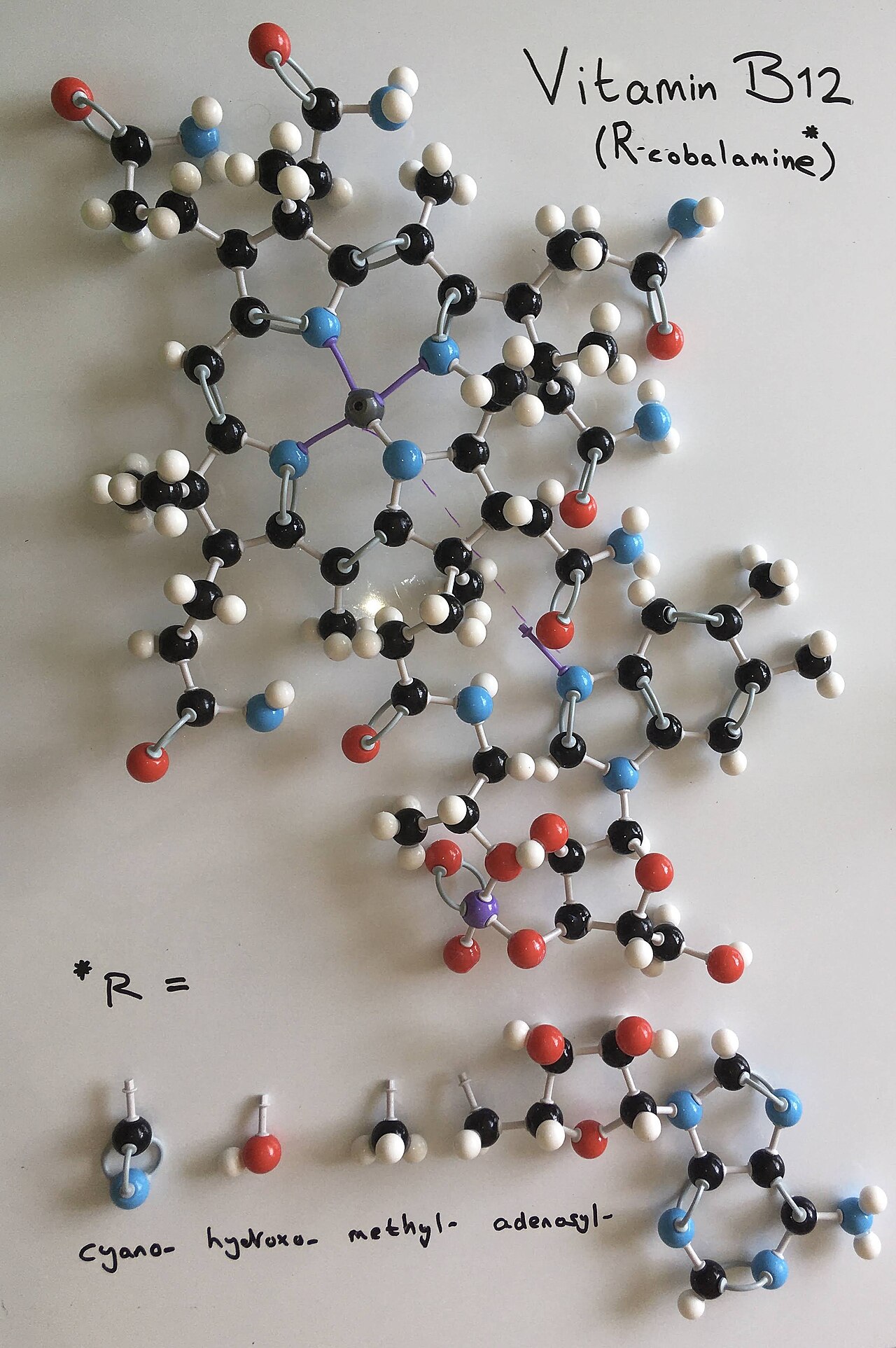
Methylcobalamin sounds more premium than cyanocobalamin, but does the form of vitamin B12 actually change absorption or effectiveness?
A source-linked guide to elemental zinc, supplement forms, label amounts, Daily Value, absorption evidence and safety context.
Sunlight, foods and supplements can all contribute to vitamin D status, but they are not interchangeable sources.
A source-linked guide to cyanocobalamin, methylcobalamin and other B12 forms, label amounts, absorption and Daily Value.
Protein grams are only one line on the label. Calories, serving size, fiber, added sugar, saturated fat, sodium and price change the comparison.
Magnesium from spinach, legumes, nuts and whole grains is not evaluated the same way as elemental magnesium on a supplement label.
Protein needs depend on body size, training, diet and goals. Here is how to interpret the numbers without treating one intake target as universal.
Fish-oil weight, total omega-3 content, EPA and DHA are separate label numbers. Here is how to compare them correctly.
Magnesium glycinate (bisglycinate) vs citrate: compare absorption evidence, elemental magnesium, sleep research, tolerability claims and what human studies actually show.
A direct evidence comparison of creatine hydrochloride and creatine monohydrate, covering solubility, human research, training outcomes and the limits of current evidence.