Whey Isolate vs Concentrate: What Actually Changes?
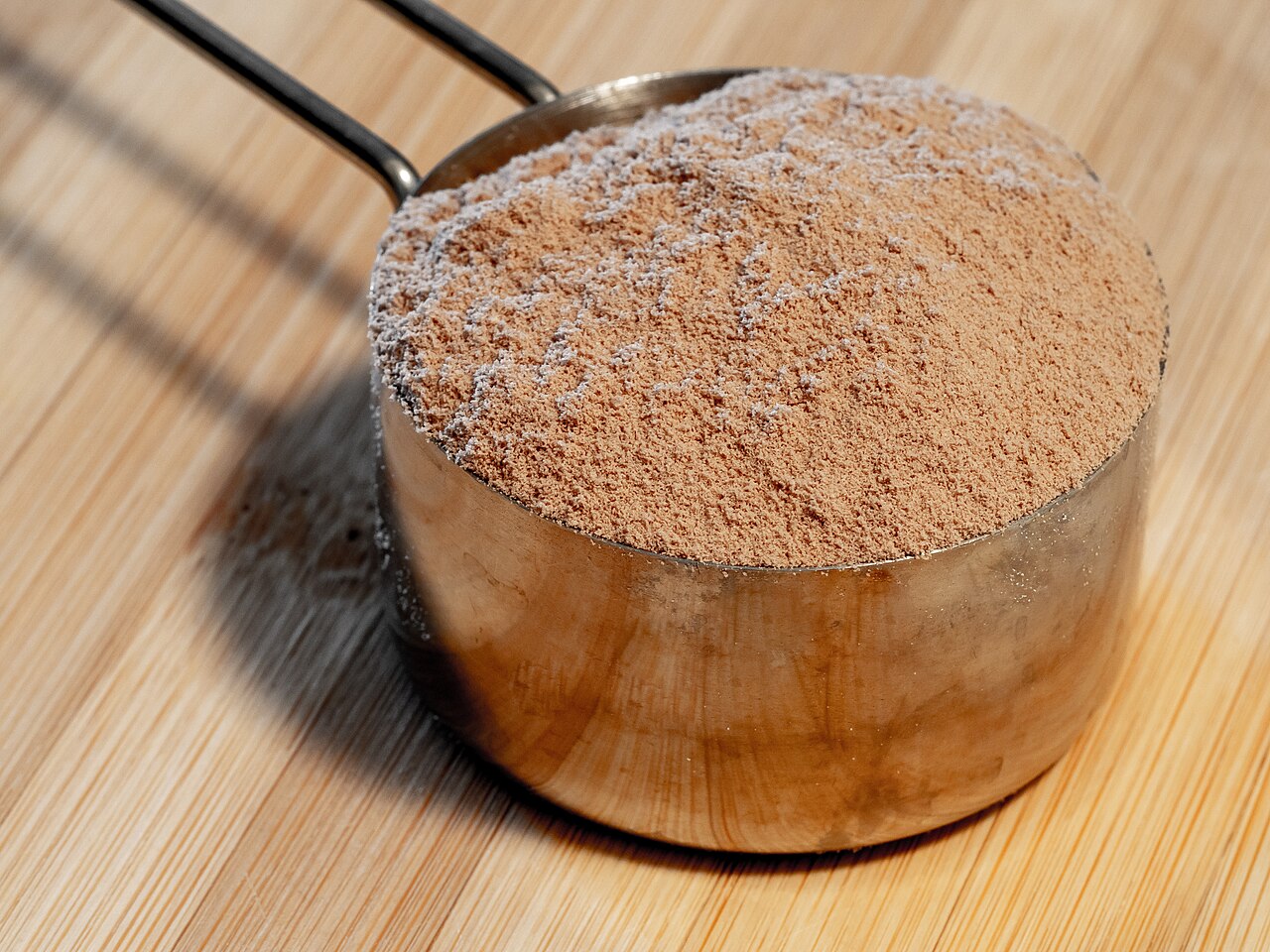
Whey isolate usually contains a higher proportion of protein and less lactose and fat than concentrate, but that does not automatically make it better for building muscle.
Contributor
RDN
Registered dietitian nutritionist and health writer covering practical, evidence-based nutrition.
Registered Dietitian Nutritionist & Health Contributor
Kelsey is a registered dietitian nutritionist, health and wellness writer, and nutrition consultant. Her work focuses on practical, evidence-based nutrition and helping readers build a healthier relationship with food.
Whey isolate usually contains a higher proportion of protein and less lactose and fat than concentrate, but that does not automatically make it better for building muscle.
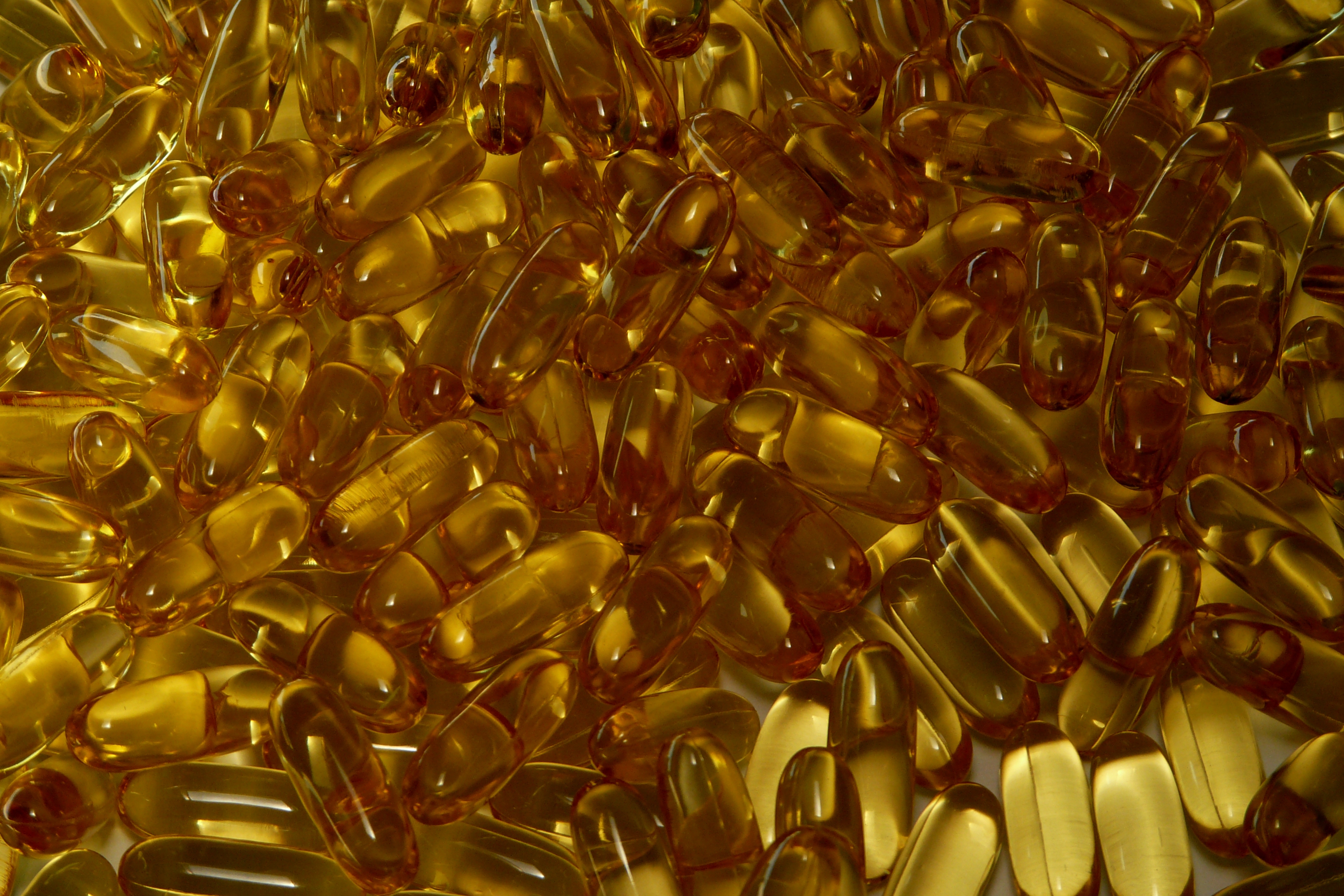
A 2026 meta-analysis examined EPA:DHA ratios across 96 clinical trials. The ratio can change blood fatty-acid and inflammatory-marker responses, but there is no universal best ratio.
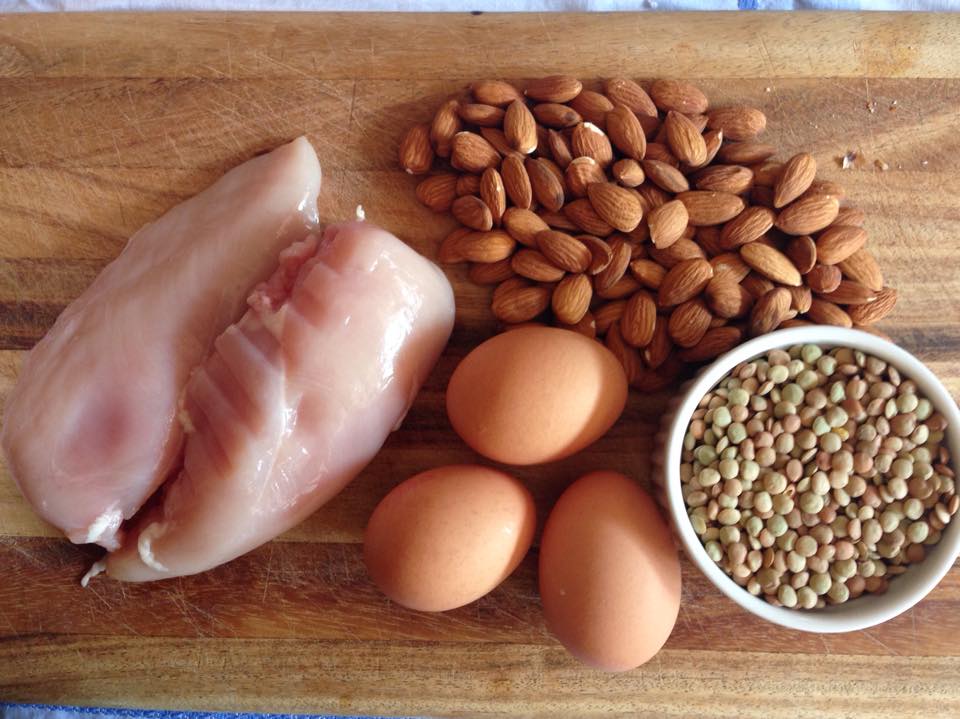
Protein needs depend on body size, training, diet and goals. Here is how to interpret the numbers without treating one intake target as universal.
Water is enough for many workouts. Longer, hotter or sweat-heavy sessions can change the equation. Here is what electrolyte drinks actually add.
A specification-led whey protein dossier covering concentrate, isolate and hydrolysate, protein requirements, resistance-training evidence and normalized product-comparison metrics.